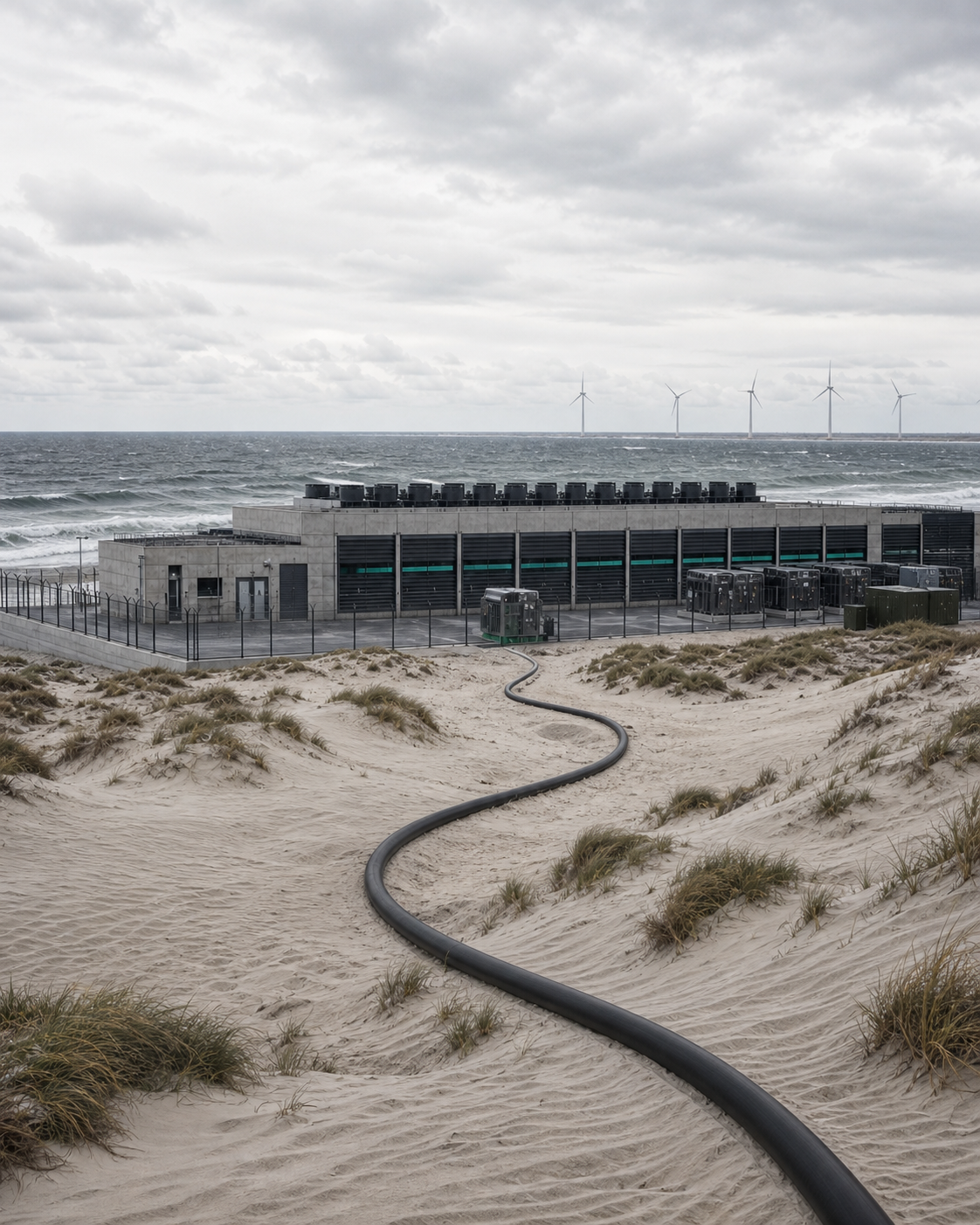
Ireland rationed the socket. Brazil's Northeast throws away an Itaipu.
On one Sunday in June, Brazil's Northeast forwent 14,278 MW of renewable generation, the equivalent of Itaipu's installed capacity. That same year, Ireland's data centres consumed 23% of the country's electricity. The viral reading says Europe shut its door and Brazil need only open its own. Both halves are wrong, and the error conceals where the real bottleneck sits.

Faria Lima did not switch sides. It switched spreadsheets.
The viral reading says "Faria Lima has embraced Flávio Bolsonaro." The facts say otherwise: private dinners, investment-committee questions and a market that, by its own chroniclers' account, "was not charmed." What is underway is not endorsement but pricing. Brazil watched this film in 2002, with the polarity reversed.

The end of the little shampoo bottle: what the PPWR actually does to hotel amenities (and why the date is wrong)
The date going around is wrong, and the error is not trivial. The end of miniature shampoo bottles in European hotel rooms does not begin "in August", nor is it a blanket ban on single-use packaging. It has a precise date and a legal architecture that deliberately separates plastic from everything else. And in the case of amenities, the ban reaches further than almost everyone assumes.

Twelve times over: the square metre Portugal already sold and Brazil hasn't discovered
A square metre in Lisbon costs twelve times a square metre in a Brazilian city centre. Twelve. Not currency, not location, the same kind of old building on both sides. The gap lies in a decision Portugal made a decade ago and Brazil still hasn't, and it points to the most undervalued square metre in the country.

The Chinese rear-view mirror: how Brazil slipped back into the red on cars
In 2016, Brazil sold more cars to the world than it bought. Twelve years on, the automotive balance is back in the red. The first-half 2026 figures reveal three simultaneous movements, and the origin of the imports has shifted in ways few anticipated. What the deficit really signals goes beyond any single government.

The fifth engine: when an airliner carried its own spare part
In an early jet-age Qantas photograph, a Boeing 707 appears to have one engine too many, mounted under the wing. It is not a retouch. It sits there, bolted on, not spinning, producing no thrust. Behind that odd image lies one of the most ingenious logistical solutions in commercial aviation, one that solved an expensive problem with no new technology at all, and that outlived by half a century the very reason it was created.

From Dashboards to Decisions
After twenty years of investment in business intelligence, most executives still open Monday morning asking the same question: what happened last week? A quieter shift is now underway, from systems that describe the past to systems that recommend what to do next. For Brazilian companies, where seven in ten are still experimenting with AI, the gap between adopting the tool and redesigning the decision has never mattered more.

The Ten Percent Question
For nearly thirty years, Brazil was one of only three countries in the developed world that did not tax dividends. That era ended on January 1, 2026. But the real story isn't the new rate. It's the three legal questions now taking shape in the courts, and what they mean for anyone who owns a business in Brazil.
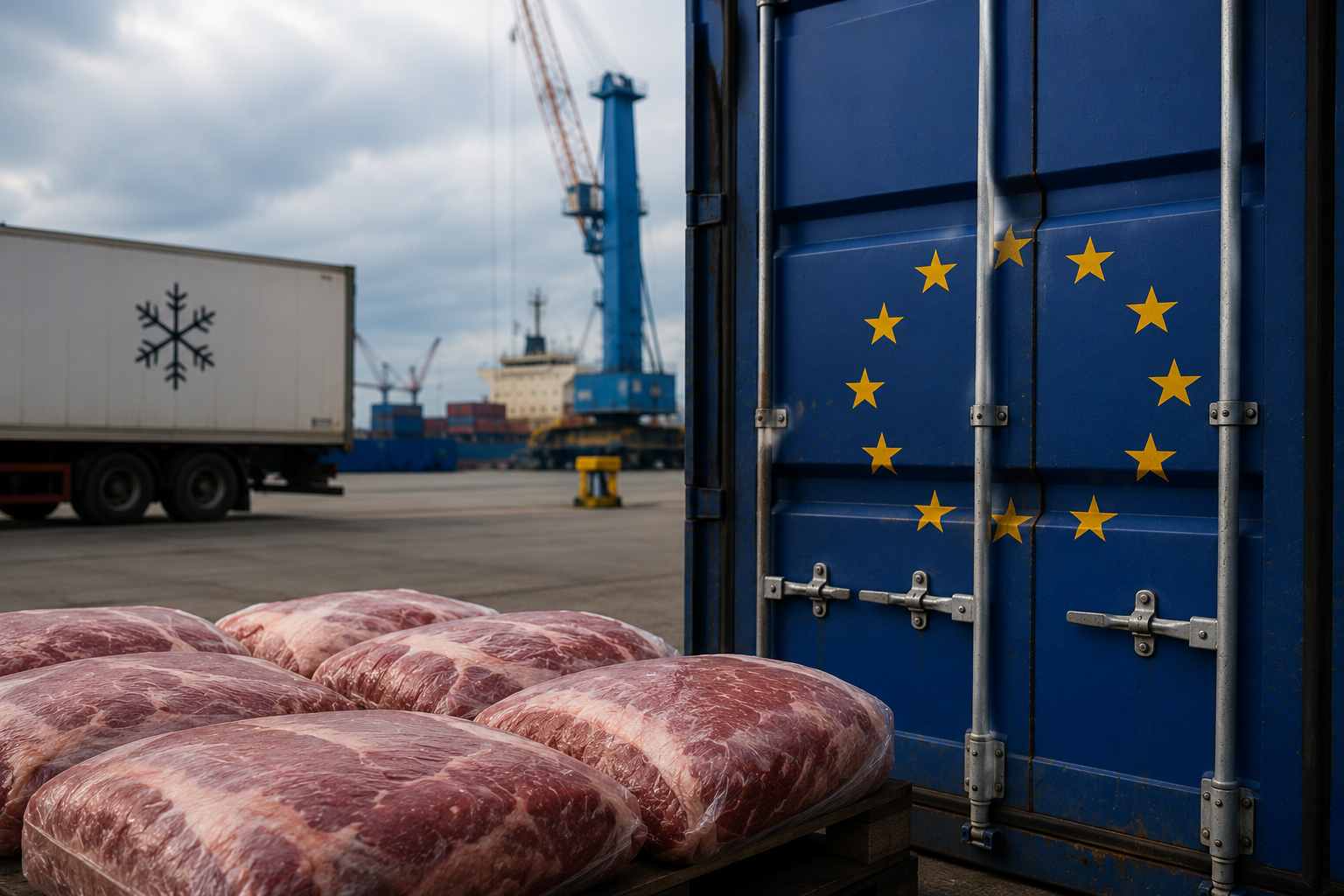
The Warning Came Years Ago
The debate over Brazilian beef exports to Europe is about more than agriculture. It highlights a recurring challenge for Brazil: the ability to anticipate global regulatory change before it becomes a commercial problem. In a world increasingly driven by compliance, traceability, and trust, reacting late can be far more costly than adapting early.

The Real “Catch Me If You Can” Lesson Was Never About the Scams
Frank Abagnale became famous for outsmarting banks, airlines, and institutions across the world. But decades later, one of his most respected lessons about financial security involves something surprisingly simple: a two-dollar pen capable of helping prevent fraud before it even begins.

What to Expect From This Year
Brazil enters one of its most sensitive transitional periods in recent years. Political instability, the operational beginning of tax reform, high interest rates and global tensions are reshaping the business environment simultaneously. The challenge ahead is not simply growth it is navigating uncertainty with discipline, adaptability and strategic clarity.

When a Gaming Console Outperformed the System
In 2010, the U.S. Air Force Research Laboratory built the Condor Cluster, a supercomputer that used 1,716 PlayStation 3 consoles alongside GPUs and Xeon processors. It delivered roughly 500 teraflops and was used for radar, image processing, pattern recognition, and AI-related workloads. AFRL said the machine cost about $2 million to build, far below the estimated cost of a comparable traditional supercomputer.

General Mills in Brazil: The Deal That Didn’t Add Up and Why Someone Else Bought It Anyway
A billion-dollar acquisition, a decade of compressed margins, and a quiet exit. The story of General Mills in Brazil reveals less about failure and more about what happens when global strategy meets local reality and why the same asset can create value for one operator and destroy it for another.
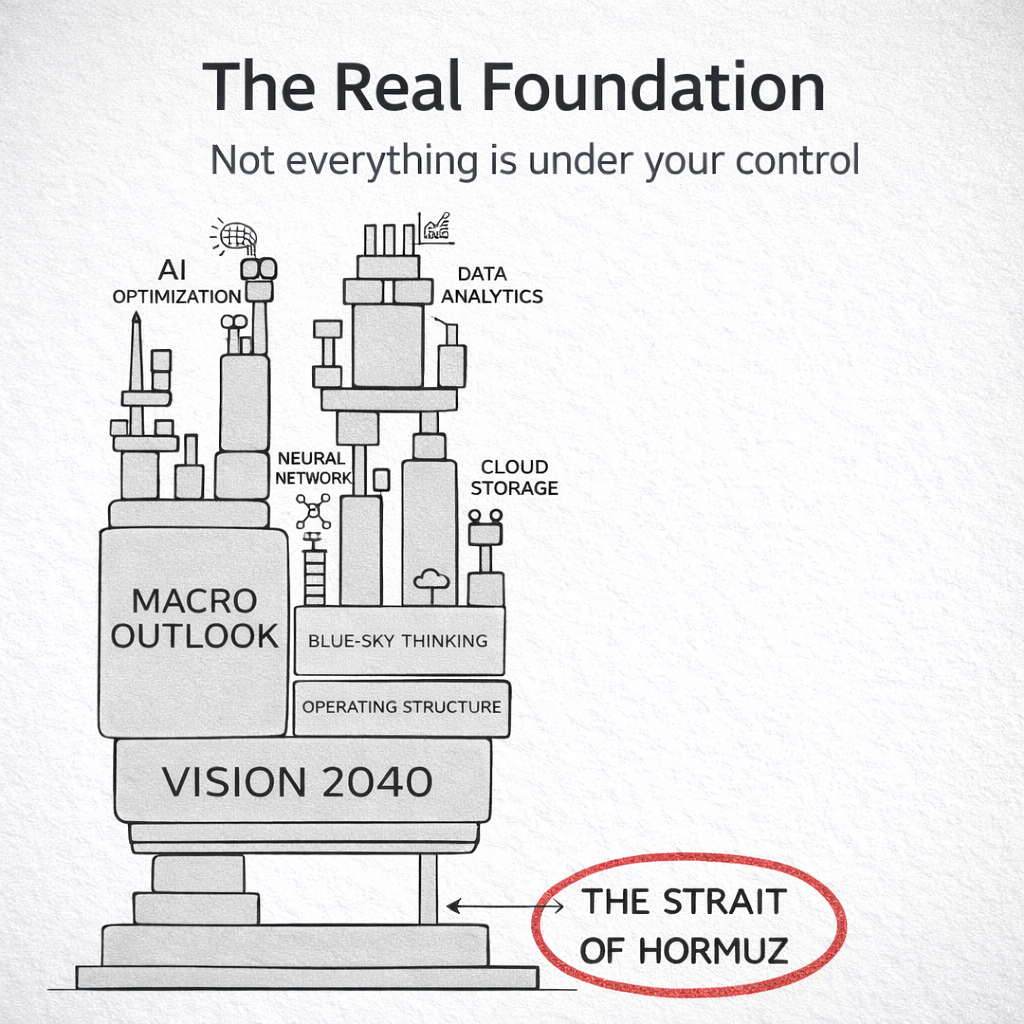
What Really Sustains a Long-Term Vision
Most strategies are built around what companies can control — technology, data, structure and planning. But the true foundation of any long-term vision often lies outside the organization, shaped by geopolitical realities and global dependencies that remain invisible until they become critical.

A memory of Ayrton Senna carried across 88 countries. ✈️
Sometimes the most meaningful achievements inside a company are not the ones written in a job description. When passion meets purpose, professionals go beyond what is expected. The story behind Azul’s tribute aircraft honoring Ayrton Senna is a powerful example of how dedication and love for aviation can transform an idea into a global symbol of inspiration.

Not All Oil Is the Same: Understanding Crude Quality
Crude oil is often treated as a single commodity, but in reality it varies enormously in quality depending on its geological origin. Understanding these differences is essential for energy markets, refining strategies, and global trade.

The Three Airspace Voids
Live global flight maps reveal three major airspace voids: Ukraine, parts of Iran/Iraq/Syria, and Afghanistan. These gaps are not technical anomalies; they are geopolitical risk zones that increase fuel costs, insurance premiums and global logistics friction. Aviation has become a real-time indicator of structural instability.

60 Years in the Air
More than six decades after entering service, the KC-135 Stratotanker remains operational not because of nostalgia, but because of disciplined modernization. Re-engined, structurally reinforced and digitally upgraded, the aircraft illustrates how lifecycle management and capital efficiency can extend strategic relevance far beyond original design expectations.
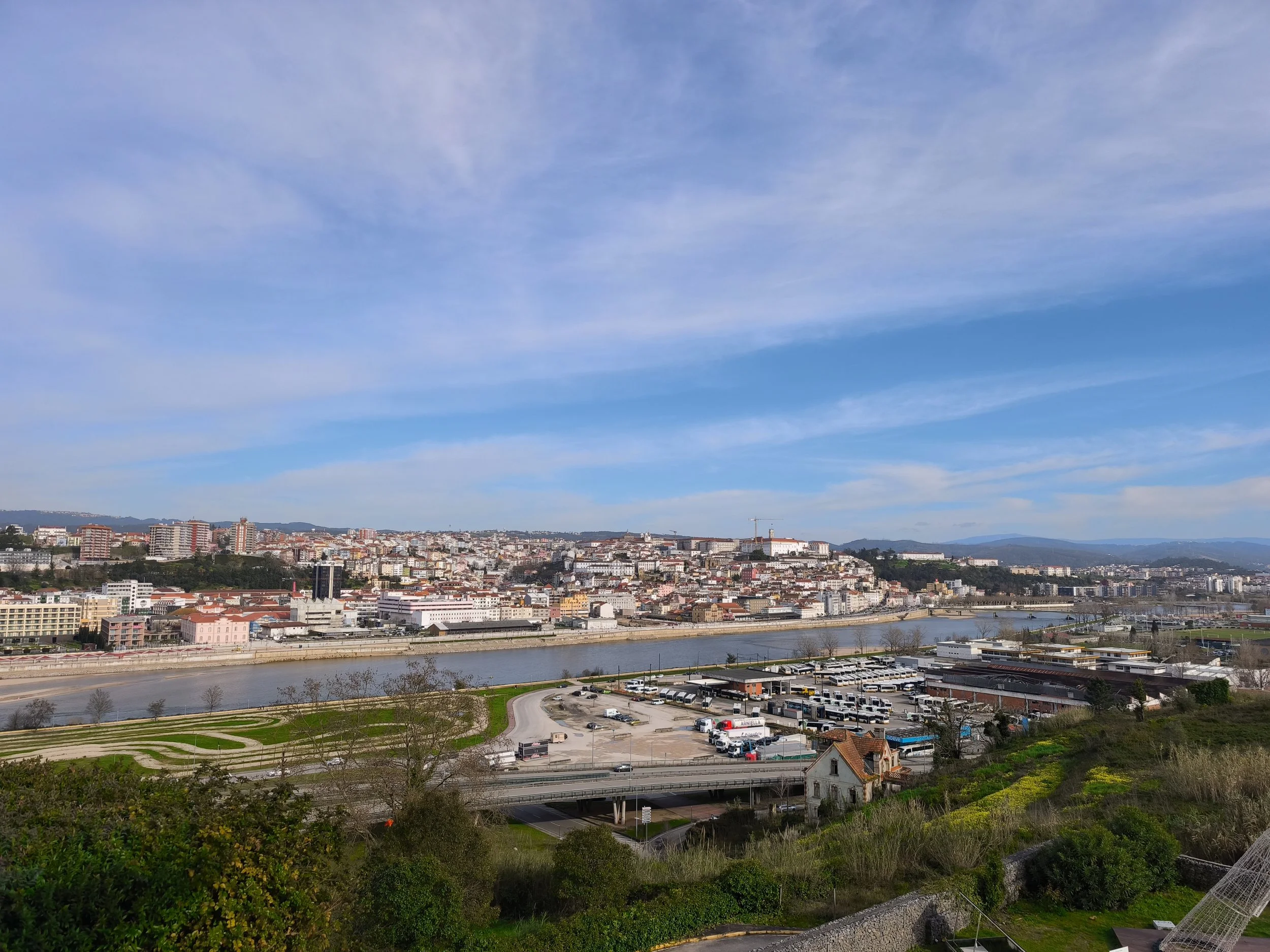
Coimbra Strengthens Its Appeal Despite Portugal’s Housing Price Surge
As housing prices surge across Portugal, Coimbra is emerging as a structurally attractive alternative. Anchored by academic and healthcare infrastructure, the city benefits from national appreciation trends while maintaining relative affordability and long-term stability.

Porto Seguro Named Bahia’s Tourism Capital
Porto Seguro has been officially designated as Bahia’s Capital of Tourism: a recognition that reflects long-term visitor growth, expanding infrastructure and increasing investment momentum. The title formalizes what market performance has already been signaling.