60 Years in the Air
Why the KC-135 Still Flies in Modern Conflicts
At first glance, it seems paradoxical.
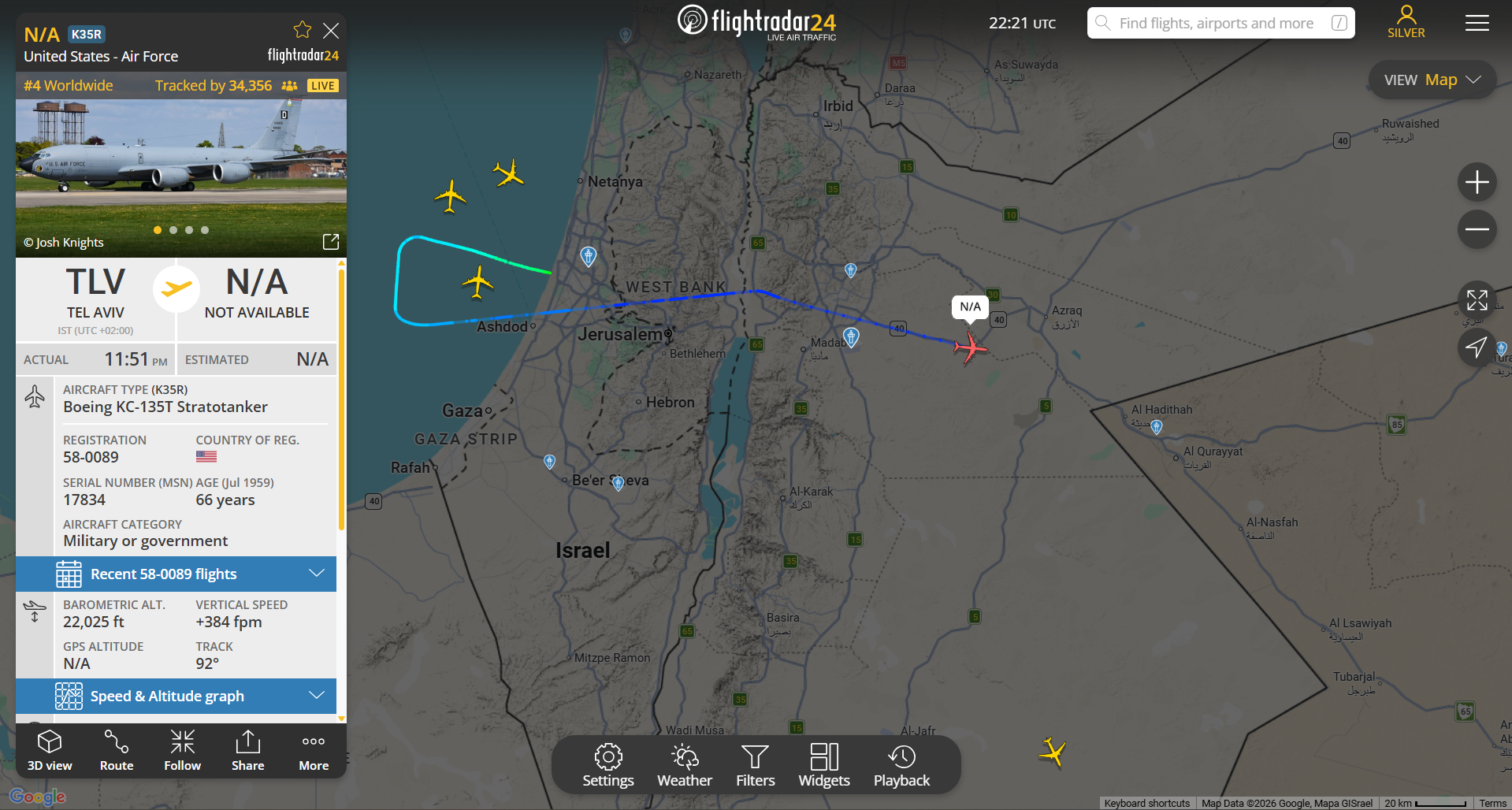
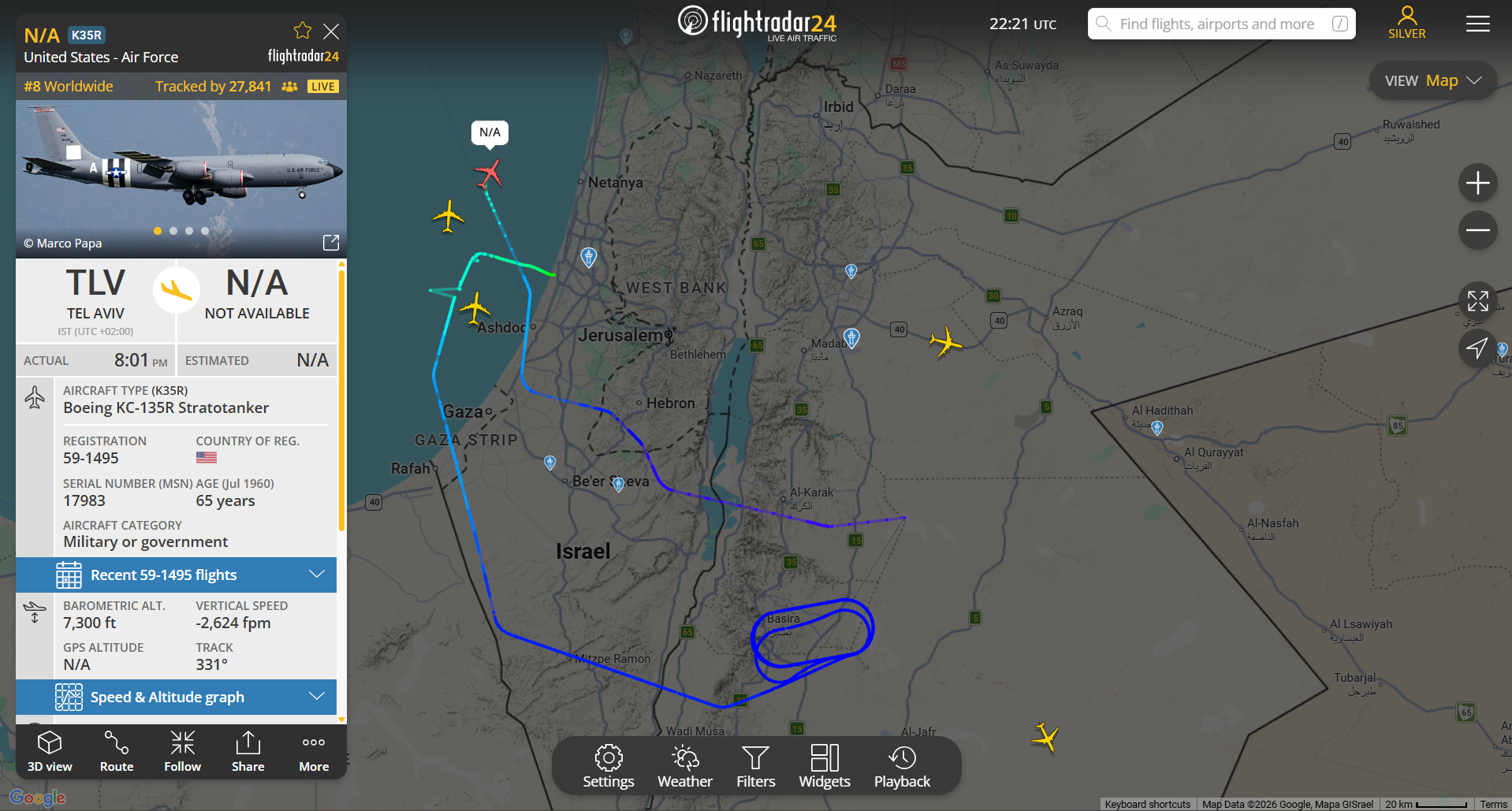
Aircraft built in the late 1950s and early 1960s, some over 60 years old, are currently supporting operations in one of the most strategically sensitive regions of the world. In an era of stealth fighters and hypersonic missiles, why would the United States Air Force still rely on Boeing KC-135 Stratotankers originally delivered during the Eisenhower administration?
The answer lies in engineering design, lifecycle management, modernization strategy and capital efficiency.
The Platform
The Boeing KC-135 Stratotanker entered service in 1957. More than 800 units were produced. The aircraft was originally derived from the Boeing 367-80 prototype, which also led to the Boeing 707 commercial airliner.
Its primary mission is aerial refueling, extending the operational range of fighter jets, bombers and reconnaissance aircraft. Unlike tactical aircraft, tankers are strategic enablers. They do not require stealth characteristics or extreme maneuverability. They require reliability, structural integrity and upgraded avionics.
And that changes the equation.
Structural Longevity
Aircraft age is not measured purely in calendar years. It is measured in flight cycles, structural fatigue and maintenance discipline.
The KC-135 fleet has undergone continuous structural inspection programs, including:
– Fuselage reinforcement
– Wing structural inspections
– Corrosion control programs
– Replacement of wiring systems
– Modernized avionics
– Updated navigation and communication systems
The most transformative upgrade occurred in the 1980s and 1990s when many KC-135A aircraft were re-engined to KC-135R configuration. The original Pratt & Whitney J57 turbojets were replaced with CFM International CFM56 high-bypass turbofan engines, the same family used in commercial aviation.
This reduced fuel consumption, increased thrust, lowered noise signatures and dramatically extended operational viability.
In practical terms, the engines on many of these aircraft are decades newer than the airframes themselves.
Expected Service Life
With proper maintenance, aluminum airframes can remain structurally viable for many decades. The U.S. Air Force has projected operational service for portions of the KC-135 fleet into the 2040s.
The limiting factor is not age, it is fatigue life and cost-benefit analysis.
Aerial refueling is a mission with relatively predictable load factors. Unlike combat aircraft performing high-G maneuvers, tankers operate within stable flight envelopes. That significantly reduces structural stress per cycle.
In other words, a 60-year-old tanker is not equivalent to a 60-year-old fighter jet.
Why Not Replace Them All?
The replacement program exists. The Boeing KC-46 Pegasus is the designated successor. However, fleet transition is capital-intensive and phased over decades.
Several economic factors explain continued use of the KC-135:
Capital Allocation Efficiency
A fully depreciated aircraft that remains operationally capable represents high capital efficiency. The marginal cost of modernization is often lower than the acquisition cost of a new platform.Proven Reliability
The KC-135 has logged millions of flight hours. Maintenance systems, spare parts networks and technical expertise are deeply institutionalized.Mission Suitability
For refueling missions, cutting-edge airframe innovation is less critical than reliability and interoperability.Industrial Capacity Constraints
Replacing hundreds of aircraft simultaneously would stress manufacturing capacity and defense budgets.
Meanwhile, newer aircraft sometimes enter long-term storage in desert facilities such as Davis-Monthan Air Force Base. These are often surplus platforms, specialized models, or aircraft retired for strategic restructuring, not necessarily because they are inferior in age, but because force composition evolves.
Age is not the primary metric. Mission alignment is.
Modernization vs Replacement
There is a broader lesson here about asset strategy.
In capital-intensive industries, aviation, energy, shipping, infrastructure, modernization often competes with replacement. Extending lifecycle through targeted upgrades can produce superior risk-adjusted returns compared to wholesale renewal.
The KC-135 fleet illustrates this principle at scale. Continuous upgrades in engines, avionics, communication systems and structural reinforcement have kept a 1950s platform operational in 21st-century theaters.
It is not nostalgia.
It is disciplined lifecycle management.
What This Reveals
In high-stakes environments, reliability often outweighs novelty.
The continued operation of 60-year-old tankers in modern deployments reflects strategic patience and engineering foresight. It also demonstrates how long-term capital planning differs from headline-driven narratives.
In aviation, as in infrastructure, real estate or energy, durability, upgrade pathways and mission relevance determine longevity.
Not age alone.